
Trusted TMJ Specialist In Mumbai, India
Are you struggling with chronic jaw clicking, TMJ pain, or jaw pain? You might be suffering from Temporomandibular Joint (TMJ) disorders. At TMJ Sleep Clinic, we understand how debilitating these symptoms can be to your daily routine.
Led by Dr. Srishti Tody, a highly dedicated TMJ specialist in Mumbai, our practice provides comprehensive, non-invasive solutions tailored to your unique anatomy. We focus on identifying the exact root cause of your discomfort to deliver highly effective TMJ pain treatment that restores your jaw function naturally. Do not let chronic jaw pain control your life; take the first step toward lasting relief with us today.
Temporomandibular Disorders (TMJD)
End TMJ Discomfort
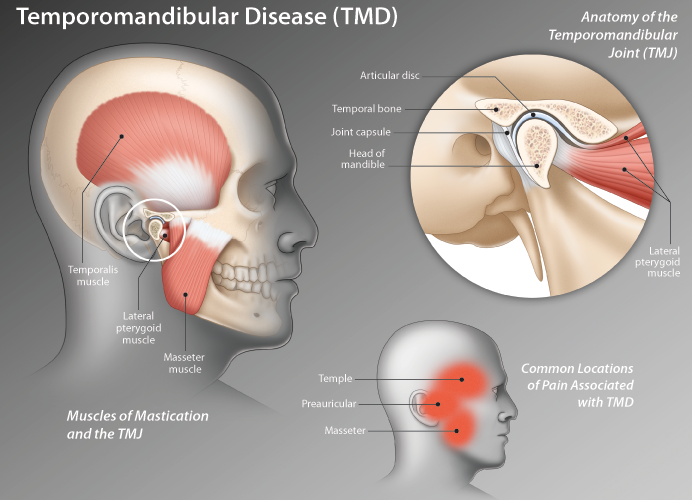
Temporomandibular joint disorders (TMJ disorders) are a group of conditions that affect the temporomandibular joint (TMJ), the hinge-like joint that connects your lower jaw to your skull. This joint plays a crucial role in various functions, including chewing, speaking, and yawning.
When the TMJ or the surrounding muscles and ligaments become inflamed or damaged, it can lead to a range of symptoms, including:
- Pain: Aching or sharp pain in the jaw joint, face, neck, or ear.
- Tenderness: Sensitivity to touch in the jaw joint or surrounding muscles.
- Stiffness: Difficulty opening or closing your mouth, or limited jaw movement.
- Locking: The jaw may become locked in an open or closed position.
- Clicking or popping: Sounds may be heard when opening or closing the mouth.
- Headaches: Frequent headaches, especially in the temples or forehead.
- Ear problems: Ringing in the ears, ear pain, or a feeling of fullness in the ears.
It’s important to note that not all clicking or popping sounds in the jaw joint indicate a problem. Many people experience these sounds without any pain or discomfort. However, if these noises are accompanied by jaw locking, chronic facial pain, or difficulty chewing, you should seek professional evaluation immediately. Finding specialized TMJ treatment in India can help prevent long-term joint damage and restore you’re comfortable, pain-free bite.
What We Offer
We offer a range of effective treatments for headaches, including:
Physical therapy
Eases muscle tension, improves flexibility, and enhances range of motion, promoting recovery and reducing discomfort from muscle strain.
Trigger point injections
Relieves pain by directly targeting muscle knots, releasing tension and improving movement in affected areas for lasting relief.
Laser therapy
A painless, non-invasive treatment that reduces inflammation, speeds healing, and alleviates symptoms of chronic and acute conditions.
Nightguard/ Splint
Protects teeth from grinding, alleviates jaw pain, and prevents TMJ strain by keeping the jaw in a relaxed position during sleep.
Understanding TMJ Disorders
Arthritis: Joint inflammation, including osteoarthritis or rheumatoid arthritis, can affect the temporomandibular joint (TMJ), leading to pain and dysfunction.
Autoimmune Disease: Conditions like lupus or scleroderma can affect the TMJ, causing pain or joint damage.
Long Dental Procedures: Prolonged mouth opening during dental work can strain or overstretch the TMJ, leading to discomfort or pain.
Overstretching the Mouth: Excessive stretching, such as during yawning or biting large objects, can stress the TMJ and cause discomfort.
Injury: Trauma to the jaw, face, or head, such as from accidents or sports injuries, can damage the TMJ or its surrounding structures.
Intubation: Medical procedures involving intubation can overstretch the jaw and TMJ, sometimes resulting in joint pain or dysfunction.
Infection: Infections in the jaw or ear can spread to the TMJ, leading to inflammation and pain.
Clenching: Chronic jaw clenching or teeth grinding (bruxism) puts pressure on the TMJ, leading to muscle strain and joint problems.
Genetics: Some people may be predisposed to TMJ disorders due to their genetic makeup or jaw structure.
Symptoms of TMJ disorders may include:
- Pain or tenderness in the jaw joint or the muscles that control jaw movement.
- Aching pain in the face, neck, or ear.
- Difficulty opening or closing your mouth.
- Locking of the jaw.
- Painful clicking, popping, or grating sounds in the jaw joint.
- Headaches, ringing in the ears, dizziness.
Degenerative joint disease: Wear and tear of the TMJ joint.
- Physical therapy: To improve jaw movement and muscle function.
- Medication: To manage pain and inflammation.
- Surgery: In severe cases, to correct underlying issues.
If you experience any of these symptoms, it’s important to consult a dentist or healthcare provider for proper diagnosis and treatment. Visiting a specialized TMJ clinic in Mumbai can provide you with advanced diagnostics and targeted, non-invasive therapies designed to relieve your specific jaw pain effectively and permanently.
Diagnosis And Lock Jaw Treatment
TMJ disorders are still a relatively unexamined area of medicine, and as such, diagnosis and treatment of these conditions can be difficult. There is no standard accepted test for diagnosing TMJD. A thorough evaluation along with required testing and X-ray imaging is needed to arrive at a possible diagnosis.
Various treatment options include
- Physical Therapy
- Medication as needed
- Trigger point injections
- Orthotic Splints
- Habit / Lifestyle Modification.
Night Guards for TMJ: A Comprehensive Guide
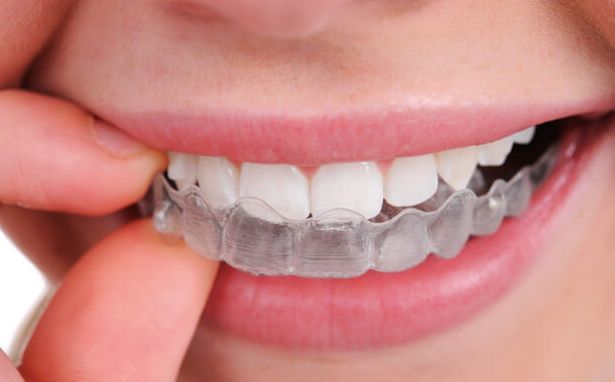
A night guard, also known as a mouthguard or occlusal splint, is a custom-fitted dental appliance designed to protect your teeth and jaw from the effects of bruxism (teeth grinding or clenching). While they are commonly used to prevent tooth wear and damage, night guards can also be beneficial in managing temporomandibular joint (TMJ) disorders.
Custom-Fitted Design
A night guard is specifically designed to fit your mouth perfectly, ensuring optimal comfort and effectiveness.
Reduces Jaw Muscle Tension
By preventing teeth grinding and clenching, night guards can help relax the jaw muscles and alleviate pain associated with TMJ disorders.
Protects Teeth
Night guards act as a barrier between your teeth, preventing wear and tear caused by bruxism.
FAQ's
Not usually. For most people, TMJ pain is temporary and resolves with proper care. However, untreated or severe cases can occasionally become chronic issues requiring ongoing management.
The most successful approach is usually a tailored combination of conservative treatments: wearing a custom oral splint (night guard), physical therapy, stress reduction, and dietary adjustments.
TMJ surgery carries risks like infection, nerve damage, and altered bite. Therefore, it is strictly considered a last resort only after all conservative treatments have completely failed.
While there is no universal "cure," most TMJ disorders can be effectively managed and permanently resolved using a combination of conservative treatments, lifestyle changes, and targeted oral therapies.
Relieve TMJ pain using warm compresses, soft foods, and jaw stretches. Advanced non-invasive options include painless laser therapy and custom oral appliances to reduce inflammation and restore joint function effectively.
Yes, absolutely. The vast majority of patients manage their TMJ symptoms successfully through non-surgical, conservative methods like physical therapy, bite guards, and lifestyle modifications without ever needing surgery.
The cost varies widely based on the treatment. Basic consultations and oral splints may cost Rs.2,000 to Rs.15,000, while highly complex procedures or surgeries can exceed Rs.1,00,000.
Yes. The tension from jaw clenching and muscle spasms in the temporomandibular joint frequently radiates upward, triggering severe tension headaches and even exacerbating existing migraines.
Contact Us for Consultations


We manage chronic orofacial pain and dental sleep disorders like snoring and sleep apnea with a multidisciplinary approach to enhance patient outcomes.
Top Services

We manage chronic orofacial pain and dental sleep disorders like snoring and sleep apnea with a multidisciplinary approach to enhance patient outcomes.